
Industrial Waste Removal Safety: A Guide for Saudi Businesses
-
Home
-
Waste Removal
-
Non-Hazardous Waste
-
Industrial Waste Removal Safety: A Guide for Saudi Businesses
Industrial Waste Removal Safety: A Guide for Saudi Businesses
Learn how Saudi businesses can safely manage industrial waste removal, including hazardous waste classification, storage, transportation, emergency response and disposal.

Safety in Industrial Waste Removal: A Guide for Saudi Businesses
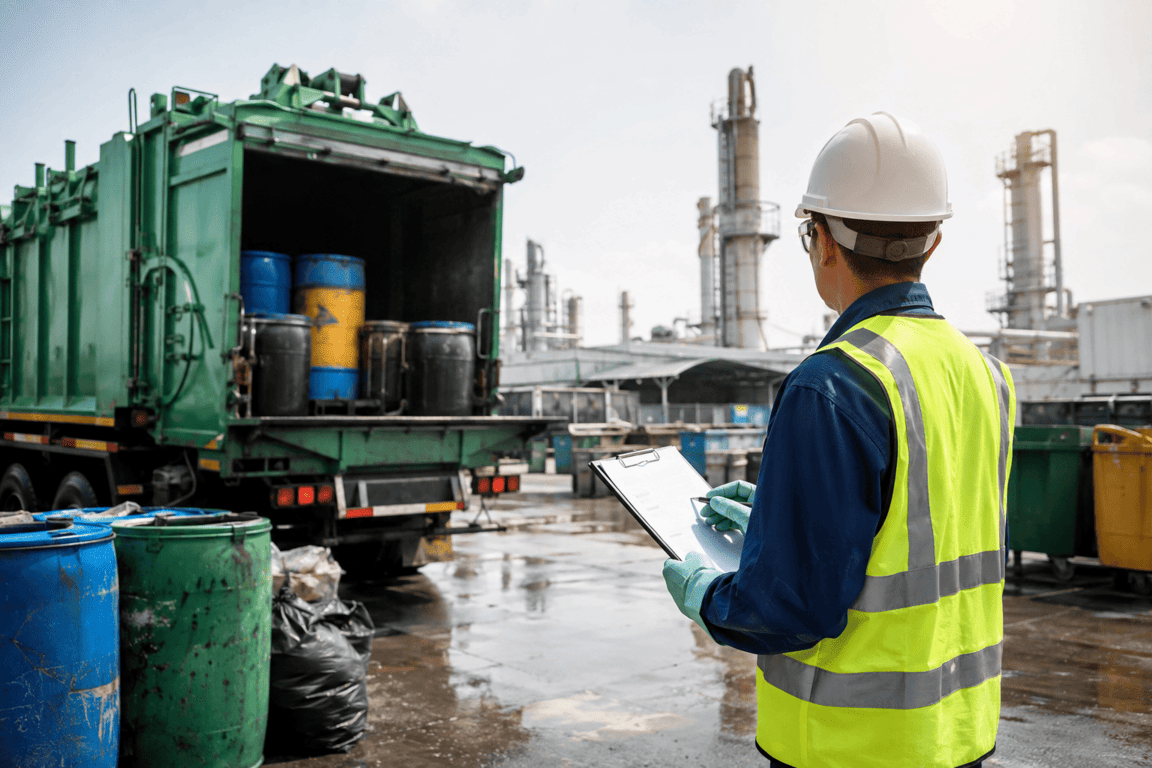
Industrial waste removal is an essential part of maintaining a safe, efficient, and environmentally responsible workplace. For businesses operating in Saudi Arabia, proper waste handling is especially important when waste may contain chemicals, oils, contaminated materials, or other substances that could pose risks to workers and the environment.
Industrial waste can generally be divided into hazardous and non-hazardous categories. Each type requires appropriate handling, transportation, storage, and disposal procedures. Hazardous waste may contain toxic, flammable, reactive, or corrosive substances and therefore requires additional precautions. Saudi Arabia's Waste Management Law regulates activities including waste collection, transportation, storage, treatment, recycling, and safe disposal.
Why Is Safety Important During Waste Removal?
Improper waste removal can expose employees, contractors, drivers, and surrounding communities to unnecessary risks. These risks can include chemical exposure, spills, fire, injuries from heavy materials, and environmental contamination.
A safe waste-removal process helps businesses:
- Protect employees and contractors from workplace hazards.
- Reduce the risk of spills, leaks, and accidents.
- Prevent contamination of soil and water.
- Ensure waste is transported and disposed of appropriately.
- Maintain compliance with applicable Saudi waste-management requirements.
- Reduce operational disruptions and potential environmental liabilities.
Safety should therefore be considered throughout the entire waste-management process, from identifying and segregating waste at the point of generation to its final treatment or disposal.
1. Identify and Classify the Waste Correctly
One of the first steps in safe industrial waste removal is determining what type of waste is being handled.
Waste classification helps determine the appropriate storage method, container, transportation requirements, handling procedures, and disposal route. Saudi Arabia has established a national waste-classification framework for determining whether waste is hazardous or non-hazardous and assigning waste codes according to characteristics and source.
Examples of industrial waste may include:
- Used oils and oily residues
- Contaminated soil
- Chemical residues
- Industrial sludge
- Contaminated containers
- Construction and industrial debris
- General non-hazardous solid waste
- Industrial liquid waste
Businesses should avoid mixing hazardous and non-hazardous materials. Incorrect classification or mixing can increase risks and make transportation and disposal more difficult.
2. Use Appropriate Containers and Storage Areas
Waste should be stored in containers that are suitable for the type and characteristics of the material.
For hazardous waste, containers should be properly maintained, secured, identified, and protected against conditions that could result in leakage, damage, or exposure.
Storage areas should also be organized to reduce the possibility of:
- Unauthorized access
- Container damage
- Spills and leaks
- Incompatible materials coming into contact
- Obstructions around work areas
- Environmental contamination
Good housekeeping is an important part of industrial waste safety. Waste should not be allowed to accumulate unnecessarily in operational areas.
3. Separate Hazardous and Non-Hazardous Waste
Segregation is one of the simplest ways to reduce waste-management risks.
Hazardous waste should be kept separate from non-hazardous waste and from incompatible materials. Clearly identified containers and designated storage areas can help employees understand where different waste streams belong.
Proper segregation also helps ensure that each waste stream follows the appropriate transportation, treatment, recycling, or disposal route.
4. Select the Right Waste Transportation Equipment
Transportation is a critical stage in industrial waste removal. The vehicle and equipment used should be suitable for the type of waste being transported.
Saudi requirements for hazardous-waste transportation include appropriate transportation equipment, protection systems, labels and tags, emergency-response arrangements, vehicle tracking, qualified drivers, and employee training.
For businesses, this means that choosing a waste-management provider should involve more than simply comparing transportation prices. Companies should consider whether the provider has:
- Suitable vehicles for the required waste stream
- Properly maintained transportation equipment
- Trained and qualified drivers
- Appropriate emergency equipment
- Procedures for handling spills and accidents
- Waste tracking and transportation documentation
- Appropriate licenses and permits
5. Train Employees and Drivers
People involved in waste handling and transportation should understand the hazards associated with the materials they handle.
Training should cover areas such as:
- Waste identification and segregation
- Safe handling procedures
- Appropriate personal protective equipment
- Spill and leak response
- Emergency procedures
- Safe loading and unloading
- Transportation documentation
- Reporting accidents and incidents
For hazardous-waste transportation in Saudi Arabia, requirements include information about driver qualifications and specialized training for dealing with accident situations, as well as employee training programs.
6. Prepare for Spills and Emergencies
Even with appropriate procedures, industrial waste incidents can occur. A spill or leak can quickly become a safety and environmental issue if employees do not know how to respond.
Businesses involved in hazardous-waste transportation should have appropriate emergency-response procedures and equipment. Saudi requirements specifically address emergency-response plans for hazardous-waste collection and transportation, including situations involving leakage during receipt, delivery, and transportation.
An effective emergency plan should clearly define:
- Who is responsible for responding to the incident.
- How the affected area should be secured.
- What emergency equipment should be used.
- Who should be contacted.
- How the incident should be documented and reported.
Employees should never attempt to handle an unknown hazardous substance without appropriate training and protective measures.
7. Choose a Licensed Waste Management Provider
One of the most important decisions a business can make is selecting the right waste-management service provider.
Under Saudi Arabia's Waste Management Law, waste-management activities require the appropriate license or permit from the National Center for Waste Management (MWAN) Saudi Waste Management Law from MWAN , according to the applicable requirements.
Businesses should verify that their waste-management provider is authorized to perform the relevant activities and can manage the specific types of waste generated by their facility.
MWAN also specifies requirements for hazardous-waste transportation, including suitable vehicles, transportation documentation, trained personnel, emergency procedures, and delivery to appropriately licensed waste-management facilities.
8. Maintain Proper Documentation and Tracking
Effective waste management is not only about physically removing waste from a facility. Businesses should also maintain appropriate records that allow waste movements and disposal activities to be monitored.
Depending on the waste stream and applicable requirements, documentation may include information about:
- Type and quantity of waste
- Waste classification
- Collection date
- Transportation information
- Destination facility
- Disposal or treatment method
- Transportation documentation
Good documentation helps businesses demonstrate responsible waste management and maintain better control over their environmental operations.
9. Prioritize Safety From Collection to Final Disposal
Safe waste removal should be viewed as a complete process rather than a single collection activity.
A robust waste-management process can include:
Identification → Classification → Segregation → Storage → Collection → Transportation → Treatment/Recovery → Safe Disposal
Each stage presents different risks, so safety procedures should be integrated throughout the entire chain.
Saudi Arabia's Waste Management Law establishes a waste-management framework covering collection, transportation, sorting, storage, treatment, recycling, and safe disposal.
How Saudi Businesses Can Improve Waste Removal Safety
Businesses can take several practical steps to improve their waste-management practices:
- Establish clear waste segregation procedures.
- Identify hazardous waste before collection.
- Use suitable and properly maintained containers.
- Keep waste storage areas organized and secure.
- Train employees who handle industrial waste.
- Work with qualified and licensed waste-management providers.
- Maintain appropriate transportation and disposal documentation.
- Establish emergency procedures for spills and leaks.
- Review waste-management procedures regularly.
- Look for opportunities to reduce, recover, recycle, or reuse waste where practical.
The goal is not simply to remove waste from the workplace. The goal is to ensure that waste is handled safely and responsibly throughout its entire journey.
Safe Industrial Waste Removal With Zero Waste
For industrial businesses, choosing the right waste-management partner can make waste removal safer and more efficient.
Zero Waste International Recycling Company provides industrial hazardous and non-hazardous waste transportation and disposal services, including solid and liquid waste. The company serves sectors including oil and gas, power plants, ports, FMCG, and government organizations.
Zero Waste's services include industrial hazardous waste transport and disposal, non-hazardous waste transport and disposal, contaminated soil cleaning and transportation, tank cleaning, and specialized vacuum services.
With appropriate planning, trained personnel, suitable equipment, and responsible waste-management practices, Saudi businesses can reduce operational risks while supporting environmental protection and regulatory compliance.
Frequently Asked Questions
What is industrial waste removal?
Industrial waste removal is the process of collecting, transporting, treating, recycling, recovering, or safely disposing of waste generated by industrial and commercial activities.
What is hazardous industrial waste?
Hazardous waste is waste that is classified as hazardous because it may contain properties or substances that present risks to human health or the environment. Saudi Arabia's waste-management framework includes hazardous waste generated from industrial and non-industrial activities.
How should hazardous waste be transported in Saudi Arabia?
Hazardous waste should be transported using suitable vehicles and equipment and in accordance with applicable Saudi requirements. Requirements include appropriate protection systems, labeling, emergency-response procedures, qualified drivers, training, tracking, and transportation documentation.
Why should businesses use a licensed waste-management company?
Using an appropriately licensed provider helps businesses ensure that waste-management activities are performed by a provider authorized for the relevant activity and waste stream. Saudi Arabia's Waste Management Law requires authorization for waste-management activities.
How can businesses improve waste removal safety?
Businesses can improve safety by correctly classifying waste, separating hazardous and non-hazardous materials, using suitable containers, training employees, preparing emergency procedures, maintaining documentation, and selecting an appropriately licensed waste-management provider.
Conclusion
Safety in industrial waste removal is a shared responsibility between waste producers, employees, transportation providers, and waste-management facilities. For Saudi businesses, a structured approach to waste classification, segregation, storage, transportation, emergency preparedness, and final disposal can significantly reduce risks to people and the environment.
By treating waste management as an integral part of workplace safety and environmental responsibility—not simply as a collection service—businesses can build safer operations and improve their overall environmental performance.
Related Posts
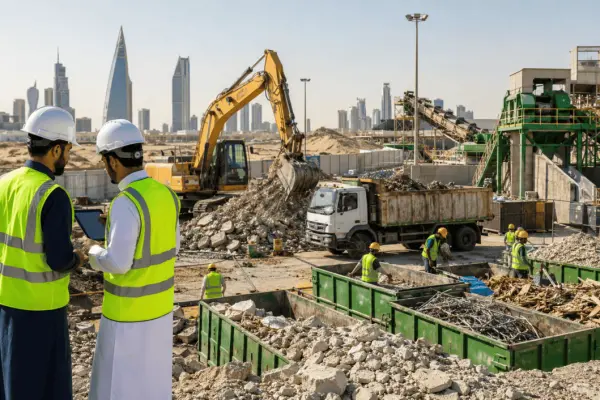
How Saudi Arabia regulates construction and demolition waste in 2026 — the Waste Management Law, MWA...
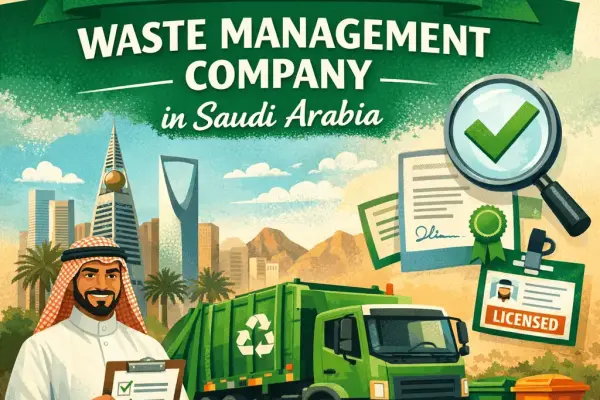
Choosing a waste management company in Saudi Arabia is not a procurement decision you can make on pr...
Saudi Arabia's FMCG sector is one of the largest and fastest-growing consumer markets in the Middle...